The Complete Guide to Fruit Tree Identification
Fruit trees are among the most useful and culturally significant trees on Earth — they have fed humanity for thousands of years and continue to be planted in gardens, orchards, and public spaces worldwide. Identifying fruit trees correctly matters whether you are a gardener planning an orchard, a forager seeking wild edibles, a property buyer assessing existing trees, or simply someone curious about the fruiting tree in a neighbor's yard. Our free AI Fruit Tree Identifier makes fruit tree identification instant and accessible from a single photograph.
How to Identify Fruit Trees — The Key Features
Fruit tree identification is most straightforward when the tree is in fruit — the actual fruit provides definitive identification in most cases. However, fruit is only available for a limited time each year, so knowing the vegetative and bark features allows year-round identification. The most reliable fruit tree identification approach uses four features observed in combination: leaf shape and margin, bark texture and color, flower characteristics in spring, and fruit shape, color, and size in season.
Identifying Apple Trees
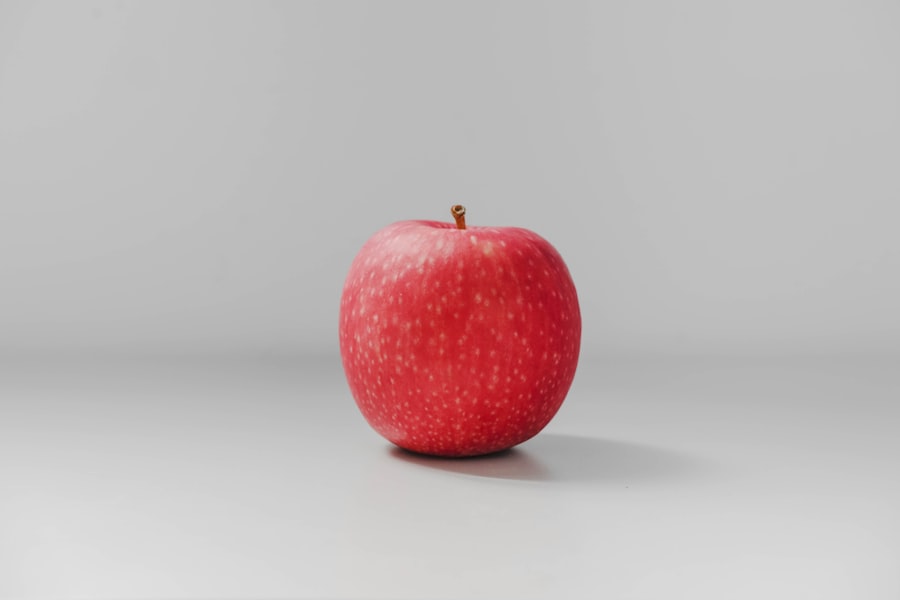
Apple trees (Malus domestica and related species) are the most widely grown fruit trees worldwide and are found in gardens, orchards, and wild hedgerows across the temperate world. The leaves are oval with finely serrated margins and a pointed tip. The upper surface is slightly rough, while the underside is often woolly or hairy — this hairy underside is the most reliable leaf feature distinguishing apples from pears. Apple bark is gray-brown and scaly, becoming more deeply scaly with age. In spring, apple flowers are pink in bud opening to white or pale pink with 5 petals, appearing after leaves begin to emerge.
The fruit is the most reliable identification feature — round to slightly irregular in shape with a characteristic depression at both the stem end and the calyx end (where the flower was). Wild crabapples produce fruit under 5cm while cultivated apple fruit is larger. Over 7,500 cultivars of apple exist, with fruit color ranging from yellow and green to red, often with stripes. For detailed apple tree identification, use our AI Tree Identifier with a leaf or fruit photo.
Identifying Cherry Trees
Cherry trees (Prunus avium for sweet cherry, Prunus cerasus for sour cherry) are among the easiest fruit trees to identify year-round due to their distinctive bark. Cherry bark is smooth and reddish-brown with horizontal lenticels — small oval breathing pores arranged in horizontal lines across the bark. This horizontal-striped pattern is unique to the cherry family and immediately distinguishes cherries from all other common fruit trees.
Cherry leaves are oval with a pointed tip and sharply serrated margins — the teeth are more pronounced than in apple or pear. Most cherry leaves also have small glands (nectaries) at the base of the leaf blade or top of the leaf stalk. Cherry flowers are white or pink with 5 petals, appearing in clusters in early spring, often before or with the leaves. The fruit is small (1-3cm), round, and ranges from yellow to red to black-purple. Ornamental cherry trees (Japanese cherries) have double flowers with many petals and are non-fruiting or produce very small fruit.
Identifying Pear Trees
Pear trees (Pyrus communis and related species) are closely related to apples and can be confused with them, but several features distinguish them reliably. Pear leaves are oval to egg-shaped with finely serrated margins, but the leaf surface is smoother and more glossy than apple on both sides — the lack of hairiness on the underside is the most reliable leaf distinction from apple. Pear leaves also often have a slightly more elongated and tapered tip than apple leaves.
Pear bark develops scaly plates similar to apple but tends to be slightly darker gray-brown. Pear flowers are pure white with 5 petals, appearing slightly earlier than apple flowers in spring — usually before the leaves have fully expanded. The fruit is the definitive identifier: pear-shaped (narrow at the top, wider at the base) in most cultivars, though some Asian pear cultivars are round like apples. Ornamental callery pears (Bradford Pear) have similar leaves but produce small hard inedible fruit and have brilliant red-orange fall color.
Identifying Peach and Nectarine Trees
Peach trees (Prunus persica) are distinctive among temperate fruit trees for their long lance-shaped leaves — much longer and narrower than apple, pear, or cherry leaves, typically 10-15cm long and only 2-3cm wide. This elongated narrow leaf shape immediately distinguishes peaches from other common fruit trees. The leaf margin is finely serrated and the leaf surface is smooth and glossy.
Peach bark is smooth gray with a slight reddish or orange tinge, developing shallow vertical cracks with age. Peach flowers are pink with 5 petals, appearing before leaves in early spring — one of the most beautiful spring-flowering fruit trees. The fruit is round to oval with a distinctive furry skin (peaches) or smooth skin (nectarines, which are a smooth-skinned genetic variant of peach). Nectarines and peaches are otherwise identical and identified the same way.

Identifying Citrus Trees
Citrus trees (oranges, lemons, limes, grapefruits, and mandarins) are subtropical evergreens that are immediately distinguished from temperate fruit trees by their year-round glossy dark green leaves, fragrant white flowers with waxy petals, and the characteristic citrus fruit. The single most distinctive vegetative feature of citrus trees is the winged petiole — a small leaf-like expansion on either side of the leaf stalk, visible when the leaf is held up to light. The size of the wing indicates the species: large wings indicate grapefruit or pomelo, medium wings indicate orange, small wings indicate mandarin, and very small or absent wings indicate lemon or lime.
Citrus trees also have smooth greenish-gray bark, often with sharp thorns on some species (especially lemon and some lime varieties). The flowers are intensely fragrant — a single citrus tree in bloom can perfume an entire garden. In subtropical and tropical regions, citrus trees may flower and fruit simultaneously throughout the year.
Identifying Fig Trees
Fig trees (Ficus carica) are among the most distinctive fruit trees and are easy to identify from their large, deeply lobed leaves. Fig leaves are large (10-30cm), rough on the upper surface, and divided into 3-5 rounded lobes — the overall shape resembles a hand with outstretched fingers. The leaves produce a milky white latex when broken or torn from the tree — this milky sap is present in all fig species and is a reliable identification feature.
Fig bark is smooth and gray, often developing an interesting gnarled form with age. The fruit is the unmistakable pear-shaped fig, green turning brown or purple when ripe, with a distinctive eye-like opening (ostiole) at the base. Fig trees are deciduous in temperate climates and evergreen in subtropical and tropical regions.
Using Our Fruit Tree Identifier for Best Results
Our AI Fruit Tree Identifier achieves highest accuracy from photos of the actual fruit — upload a clear fruit photo showing shape, color, and any distinctive features (furry skin for peach, segments visible in citrus, depression at both ends for apple). When fruit is not available, leaf photos taken from directly above on a light background give excellent results. For winter identification, photograph the bark at close range in natural side lighting to reveal texture clearly.
The AI can identify fruit trees from photos taken in any season and works with both cultivated orchard trees and wild fruit trees. For leaf-specific identification, use our dedicated Leaf Identifier. For general tree identification including fruit trees and ornamental species, our AI Tree Identifier covers over 50,000 species. Related tools: Oak Tree Identifier, Maple Tree Identifier, Elm Tree Identifier, Birch Tree Identifier.
For more tree identification guides, visit our Tree Identification Blog including our guides on how to identify trees, identifying trees by leaves, tree identification by bark, and our 25 most common tree species guide.