What Is a Lilly Pilly Tree?
Lilly Pilly (also written as Lilli Pilli or Lilly-Pilly) is the common name for a group of Australian native trees and large shrubs belonging primarily to the genera Syzygium, Acmena, and Waterhousea in the family Myrtaceae — the same family as Eucalyptus, Tea Tree, and Bottlebrush. There are over 50 species of lilly pilly native to Australia, found predominantly in the rainforests of eastern Australia from Queensland to Victoria, with some species extending to the Northern Territory and Western Australia.
Lilly pilly trees are evergreen — retaining their dense glossy foliage year-round — and are among the most important and widely planted Australian native trees in both residential and commercial landscapes. Their popularity stems from several outstanding qualities: fast growth rate, dense foliage ideal for hedges and privacy screens, spectacular colorful new growth (often bronze, red, or pink), attractive white fluffy flowers, and small edible berries that provide food for native birds. Use our AI Tree Identifier to identify any lilly pilly species from a photo instantly.

Weeping Lilly Pilly Tree — Waterhousea floribunda
The Weeping Lilly Pilly tree (Waterhousea floribunda, formerly Syzygium floribundum) is the most distinctive and architecturally elegant of all lilly pilly species — a large rainforest tree with gracefully drooping branches that create a weeping form unlike any other common Australian tree. Native to subtropical rainforests of coastal Queensland and northern New South Wales, the weeping lilly pilly tree grows 8-15 meters tall at maturity, making it a large landscape tree suitable for big gardens, parks, and street planting.
The weeping lilly pilly tree is identified by its long, narrow, lance-shaped glossy leaves (8-15cm) that hang on drooping branches, creating a curtain-like effect. In summer, it produces masses of small white fluffy flowers (typical of the Myrtaceae family) that attract bees and insects, followed by small round to oval berries (5-8mm) that turn from green to red or pink as they ripen, providing food for fruit pigeons, figbirds, and other native birds. The new growth on weeping lilly pilly is light bronze-green, flushing in waves throughout the growing season.
As a garden tree, the weeping lilly pilly tree provides dense shade from its large spreading-weeping canopy, effective screening up to 4-8 meters wide, and year-round interest from its elegant weeping form. It is fast-growing, relatively drought-tolerant once established, and generally resistant to the lilly pilly psyllid pest that affects some other species. Weeping lilly pilly trees are available at most major nurseries and the weeping lilly pilly tree at Bunnings is typically stocked in 200mm and 300mm pots.
Large Lilly Pilly Trees — Best Species for Big Impact
Large lilly pilly trees make outstanding specimen trees, tall privacy screens, and shade providers for larger gardens and landscapes. When selecting a large lilly pilly tree, consider both the ultimate mature height and canopy spread, and whether you need the tree to be pruned to a specific size or allowed to reach its full grown lilly pilly tree dimensions.
The largest lilly pilly species in cultivation include Weeping Lilly Pilly (Waterhousea floribunda) at 8-15m, Syzygium luehmannii (Small Leaf Lilly Pilly/Riberry) which reaches 5-20m in native habitat, Acmena smithii (Common Lilly Pilly) which can reach 10-15m unpruned, and Syzygium paniculatum (Magenta Lilly Pilly/Brush Cherry) growing to 15m in its natural form though usually maintained at 3-6m in gardens. These large lilly pilly trees are all available from specialist native plant nurseries, with mature lilly pilly trees for sale from landscape suppliers for immediate impact planting.
Large lilly pilly trees provide exceptional wildlife habitat — the dense canopy provides nesting sites for many bird species, the flowers support native bees and insects, and the berries feed dozens of bird species including pigeons, parrots, figbirds, and bowerbirds. A large lilly pilly tree in full berry is one of the most spectacular and wildlife-rich plantings an Australian garden can have.
Mature Lilly Pilly Trees for Sale — Buying Guide
Mature lilly pilly trees for sale are available in a range of sizes from small tube stock through to large semi-mature specimens. The right size to buy depends on your budget, urgency, and the specific application.
Lilly pilly tree Bunnings typically stocks plants in 140mm, 200mm, and 300mm pots — sizes that are affordable, establish quickly, and grow to useful hedge size within 2-3 years. Bunnings is the most accessible source for popular cultivars like 'Resilience', 'Pinnacle', 'Bush Christmas', and Weeping Lilly Pilly. The lilly pilly tree Bunnings range varies by season and location — largest selection is usually available in spring (September-November) and autumn (March-May).
For larger mature lilly pilly trees for sale, specialist native plant nurseries and landscape suppliers stock semi-mature trees in 45L bags or large containers (1-2m+ height) and field-grown mature specimens for immediate privacy and impact. These larger mature lilly pilly trees for sale cost significantly more than Bunnings pot sizes but provide immediate results — particularly valuable when privacy screening is urgently needed or for prestige landscape projects.
Full grown lilly pilly tree sizes available from specialist suppliers include 1.5m, 2m, and occasionally 3m+ specimens of popular varieties. For a full grown lilly pilly tree of screening height (1.8-2.5m), expect to pay $50-$200+ per tree from specialist nurseries depending on size and species. When buying mature lilly pilly trees, always check root quality — avoid trees with circling or pot-bound roots that will restrict long-term growth.
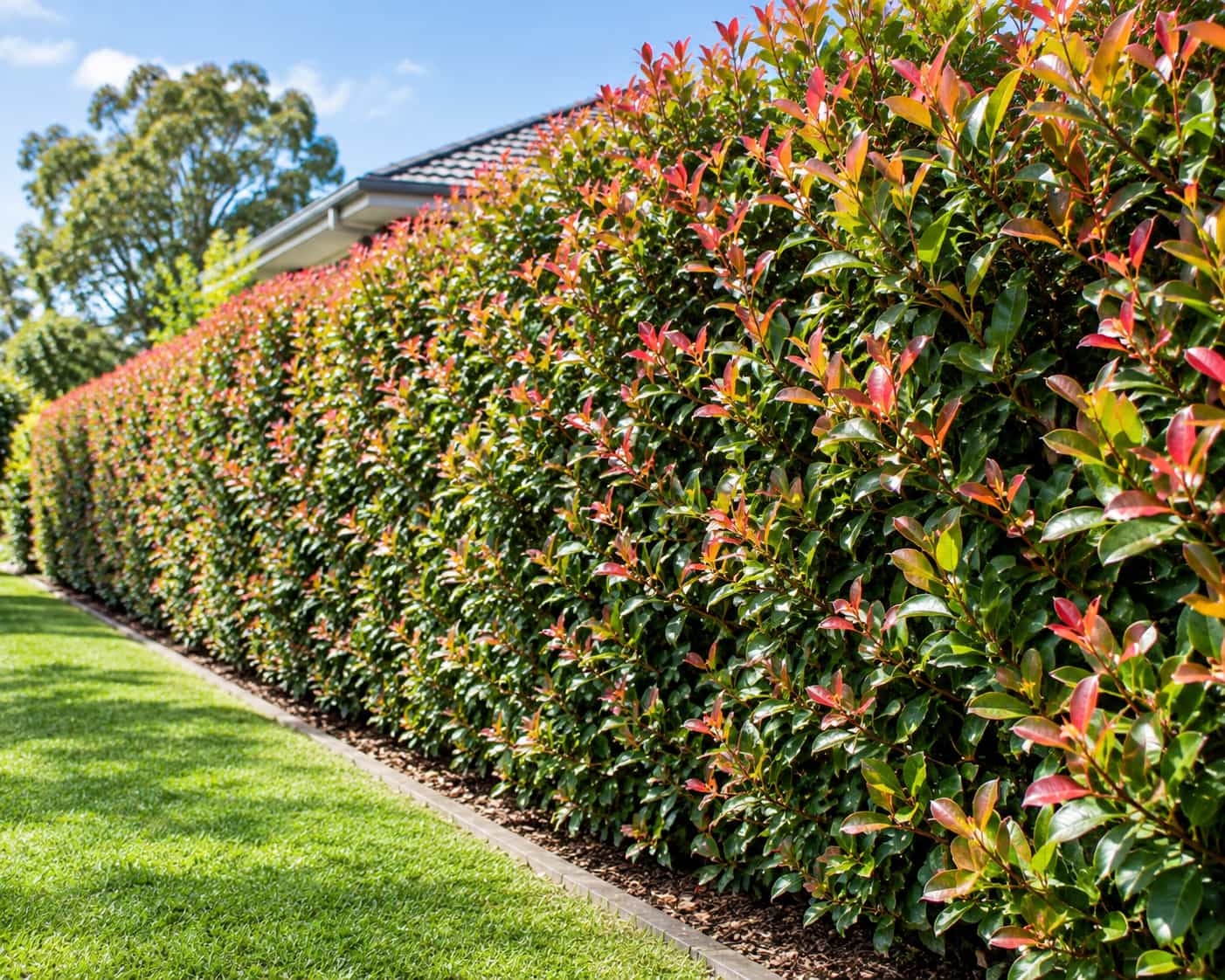
Lilly Pilly Tree Varieties — Complete Guide
The following profiles cover the 6 most popular lilly pilly tree varieties available in Australia, with identification features, sizes, and growing information for each.
Resilience Lilly Pilly
Bunnings ✓Syzygium australe "Resilience"
Pinnacle Lilly Pilly
Bunnings ✓Syzygium australe "Pinnacle"
Weeping Lilly Pilly
Bunnings ✓Waterhousea floribunda
Dwarf Lilly Pilly
Bunnings ✓Acmena smithii "Minor"
Small Leaf Lilly Pilly / Riberry
Syzygium luehmannii
Bush Christmas Lilly Pilly
Bunnings ✓Syzygium "Bush Christmas"
How to Grow Lilly Pilly Trees — Expert Tips
Lilly pilly trees are among the easiest Australian native trees to grow — they tolerate a wide range of conditions, respond well to pruning, and establish quickly. The following growing tips apply to all lilly pilly species and cultivars.
Full sun to part shade. Lilly pilly trees grow best in full sun (6+ hours daily) but tolerate part shade. Dense shade reduces growth rate and fruiting.
Regular watering for first 1-2 years while establishing. Once established, most lilly pilly varieties are moderately drought tolerant. Weeping Lilly Pilly prefers consistent moisture.
Well-drained soil preferred. Lilly pilly trees tolerate a wide range of soils including clay (when improved with compost) but dislike waterlogged conditions. Slightly acidic to neutral pH (5.5-7.0) is ideal.
Lilly pilly trees respond very well to pruning and shearing — this is why they are so popular for hedges. Prune after each flush of new growth for dense compact hedges. Avoid pruning during very hot or very cold periods.
Feed with a slow-release native plant fertiliser in spring and autumn. Avoid high-phosphorus fertilisers which can damage Australian native plants. A balanced low-phosphorus native fertiliser promotes healthy growth and good new leaf color.
Monitor for Lilly Pilly Psyllid (causes pitting on new leaves). Choose resistant cultivars like Resilience. Apply neem oil or horticultural oil to affected new growth. Encourage natural predators by planting companion flowers.
Lilly Pilly Tree Identification — Key Features
Lilly pilly tree identification uses the following features: evergreen glossy leaves with a distinct pointed tip and prominent midrib, new growth that is often brightly colored (red, bronze, or pink), white or cream fluffy flowers with many stamens (typical Myrtaceae flower form) in clusters, small round to oval berries in shades of pink, red, purple, or white, and aromatic crushed leaves with a pleasant spicy scent.
The most reliable identification feature for distinguishing lilly pilly from other trees is the combination of glossy opposite leaves with oil glands (visible as tiny dots when held to light — characteristic of the Myrtaceae family), brightly colored new growth, and small berry-like fruits. The fluffy white flowers with no visible petals but masses of stamens are also characteristic of the family and immediately recognizable once you know the pattern. Upload a photo to our AI Tree Identifier for instant lilly pilly species identification.

Lilly Pilly Fruit — Edible and Wildlife Value
All lilly pilly species produce edible berries, and this is one of their lesser-known but highly valuable qualities. The berries vary considerably between species in size (5-25mm), color (white, pink, red, magenta, purple), and flavor (from mild and sweet to tart and clove-spiced). Syzygium luehmannii (Riberry) produces the most culinarily valued lilly pilly fruit — small pear-shaped red berries with a distinctive tart clove-like flavor used by Australian chefs in jams, sauces, dressings, and desserts. Acmena smithii berries are large (up to 25mm) and mild-flavored. Syzygium australe berries are smaller but pleasant-tasting.
For wildlife, lilly pilly berries are among the most important food sources of suburban and urban Australian gardens. Dozens of native bird species consume lilly pilly fruit including Wompoo Fruit-Dove, Superb Fruit-Dove, Figbird, Rainbow Lorikeet, Lewin's Honeyeater, and many others. Fruit bats (flying foxes) are also important consumers and seed dispersers. Planting a large lilly pilly tree or a lilly pilly hedge in berry provides a spectacular wildlife watching opportunity from late summer through winter when the fruit ripens.
Lilly Pilly Psyllid — Prevention and Treatment
Lilly pilly psyllid (Trioza eugeniae) is the most significant pest issue for lilly pilly trees — a tiny sap-sucking insect that attacks new growth and causes characteristic pitting, dimpling, and distortion of young leaves. While psyllid damage is primarily cosmetic (it rarely kills trees), it can significantly reduce the ornamental value of affected plants, particularly on hedges where the dimpled new growth is highly visible.
The most effective long-term strategy against lilly pilly psyllid is variety selection — choosing cultivars with demonstrated psyllid resistance. Syzygium australe 'Resilience' was specifically bred for psyllid resistance and is the top recommendation for anyone planting a lilly pilly hedge in eastern Australia. 'Bush Christmas' also shows excellent resistance. Acmena smithii varieties are generally most susceptible and are better avoided in areas with known psyllid pressure.
Treatment for existing psyllid infestations includes: spraying new growth with neem oil or horticultural oil (suffocates psyllid nymphs), removing and disposing of heavily affected new growth, encouraging natural predators by planting companion flowers near the hedge, and systemic insecticide treatment for severe infestations that don't respond to organic methods.
Frequently Asked Questions — Lilly Pilly Trees
What is a Lilly Pilly tree?
Lilly Pilly (Lilli Pilli) is a common name for Australian native trees from the genera Syzygium, Acmena, and Waterhousea in the family Myrtaceae. Evergreen trees with glossy leaves, colorful new growth (red/bronze/pink), white fluffy flowers, and small edible berries. Most popular Australian native tree for hedges and screens.
What is a Weeping Lilly Pilly tree?
Weeping Lilly Pilly (Waterhousea floribunda) is a large rainforest tree (8-15m) with gracefully drooping branches and long narrow glossy leaves. Native to coastal QLD and NSW. Provides large-scale shade and screening. White summer flowers + small red-pink berries. Available at Bunnings and specialist nurseries.
How fast do Lilly Pilly trees grow?
Lilly pilly trees grow 30-60cm per year under good conditions, making them among the fastest-growing Australian native trees. Some large species grow up to 1m per year. Growth is fastest in warm humid coastal climates. Regular watering and fertilising speeds establishment and growth rate.
Where can I buy mature Lilly Pilly trees for sale?
Lilly pilly tree Bunnings stocks smaller sizes (140mm-300mm pots) of popular varieties. For mature lilly pilly trees for sale in larger sizes (1-3m+), try specialist native plant nurseries and landscape suppliers. Full grown lilly pilly trees cost $50-$200+ depending on size and species.
What are the best Lilly Pilly varieties for hedges?
Best hedge lilly pilly trees: "Resilience" (best psyllid resistance, 3-4m), "Pinnacle" (narrow columnar, tight spaces, 4-5m tall x 1m wide), "Bush Christmas" (red new growth, excellent resistance), Acmena smithii "Minor" (compact, low hedges 1-2m). All available at Bunnings.
Do Lilly Pilly trees have invasive roots?
Compact cultivars like "Resilience", "Pinnacle", and "Minor" have non-invasive roots suitable near paths and fences. Large species like Weeping Lilly Pilly should be planted 3-5m from buildings and pipes. Always check the mature size of your specific variety before planting near infrastructure.
What is Lilly Pilly psyllid and how do I treat it?
Lilly Pilly psyllid causes pitting and dimpling on new leaves. Choose resistant cultivars ("Resilience", "Bush Christmas") as best prevention. Treat existing infestations with neem oil spray on new growth, remove affected growth, or use systemic insecticide for severe cases. Encourage natural predators.
Identify Your Lilly Pilly Tree Instantly
Not sure which lilly pilly species or variety you have? Upload a photo to our free AI Tree Identifier for instant identification. Related guides: Trees With White Flowers, Fast Growing Trees, Trees With White Bark, Fruit Tree Identifier.
Species tools: Fruit Tree Identifier, Oak Tree Identifier, Maple Tree Identifier, Pine Tree Identifier.